
Getting Started with RIG Riot
Armory starters, tutorial pop-ups, Scrap, energy, and the garage loop for new pilots.
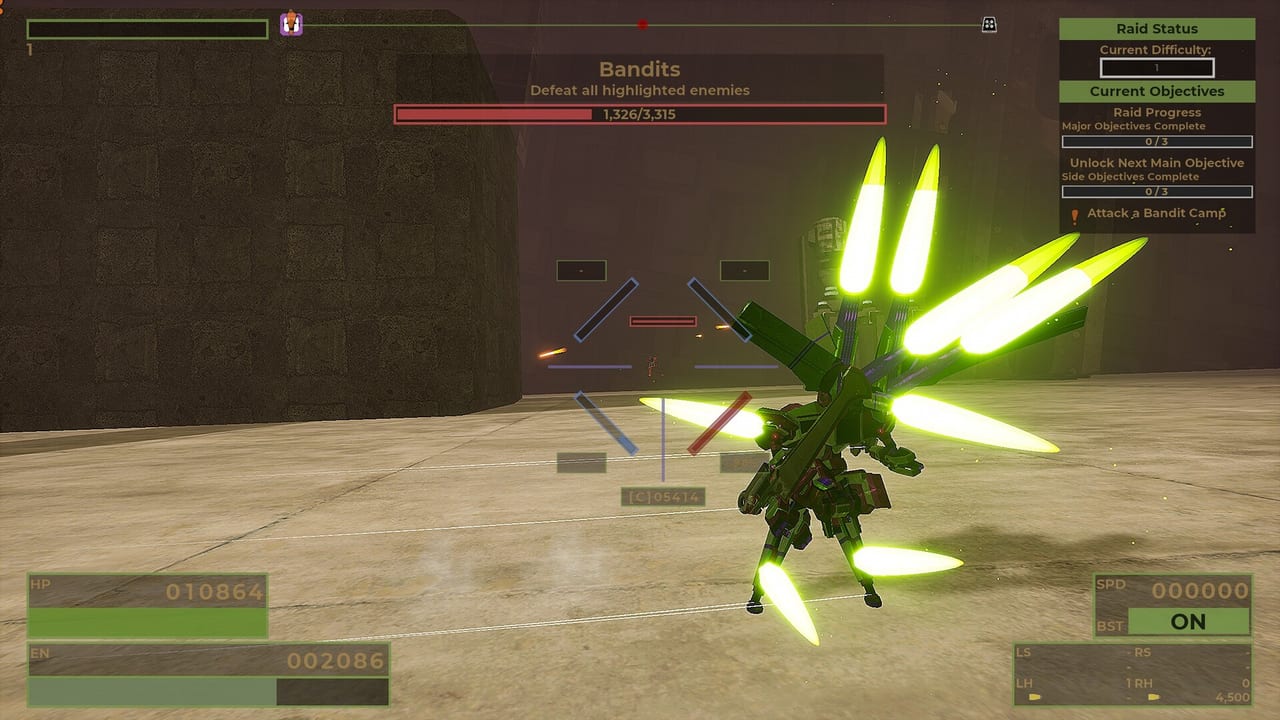
This page is for first-time pilots who just installed the RIG Riot demo or who are watching Steam’s September 14, 2026 launch window. It explains the loop before you dump Scrap, lock a weak starter, or empty your energy bar on the first patrol. If the HUD already makes sense, jump to the how to play guide and treat this as a checklist instead of a lecture.
RIG Riot is a single-player third-person mech-action roguelike from Sage Boatman, built in Unreal Engine 5 for Windows, with English full audio and Steam Deck Playable status. You pilot a combat mech called a RIG through raid stages inside a megastructure. Weapons and Volatile Mods are run-only finds. Permanent parts wait in the garage between raids. Use this page as a first-hour briefing, then browse the rest of the guides hub when you want raid routes and farming notes.
First hour: Armory, tutorial, and Scrap
Open the Armory before you drop. Starter weapons come from there, not from a full owned-weapon picker. You can later equip more than one starter, but fewer predetermined guns teach the upgrade pool better. A Void Slot starter prevents that slot from being considered when options generate — a later demo patch renamed the same idea Blocked Slot.
Spend Scrap on Armory upgrades. Scrap is the meta currency from runs. Encryption tokens are the in-run currency that opens chests for weapons and Volatile Mods. Settlement upgrades that unlock rerolls are worth more than a slightly shinier starter, because rerolls stop the current three options from returning unless the pool is empty.
The raid tutorial uses short pop-ups. Read them. The HUD is dense: HP, EN, SPD, BST ON, and ammo labeled LS / RS / LH / RH. Controls are fully configurable with full controller support — map them once on the controls reference instead of fighting binds mid-raid.
Energy (EN) fuels boosting. Toggle boosters, dash or turbo boost, hold jump in the air for flight boost, and use wall kicks. Do not dump EN on every dash. Confirm Windows specs on the system requirements page if the Unreal Engine 5 demo stutters.
Read Raid Status after the first major: Current Difficulty, Major Objectives 0/3, Side Objectives 0/3. The first major is easier; later ones come from pools based on majors finished. Do not activate the transport on sight — that summons a boss. Fight it when your guns and mods can contest it.
Watch this next: Devlog 0 in context
Sage’s Devlog 0 is the cleanest official pitch of the loop: raid, loot, garage, repeat. Watch it for Shot Caller — a lightweight dual-gun enemy RIG boss — and the lightning-mod example, then come back here before you spend your first Scrap pile.
Do not lock a bad weapon early
Upgrade choices can hand you a new weapon, then later upgrades for that same gun. Locking a heavy you cannot carry wastes the run. Weight-based weapon capacity is real: light, medium, and heavy guns all eat a budget. Two statuses on one weapon combine into a stronger unique status. Weapon augments change that weapon only.
If a chest wants encryption tokens and you are one objective from a better neighborhood, wait. You only have six Volatile Mod slots, and mods do not stack. Three mods that change how you play beat six panic-opened crates.
After the run, bank garage parts. Outer pieces drop from enemy RIGs; inner systems drop from non-RIG foes. Do not scrap everything for Armory points on day one.
Photosensitivity, settings, and a sane first loadout
The demo added a photosensitivity warning because explosions, lightning zones, and status procs can strobe. Turn intensity down if you need to. Enable the semi-automatic-as-automatic setting only after you understand trigger control. HUD opacity is adjustable if Raid Status covers your sight picture.
A boring first loadout beats a clever one you cannot fly. Leave weapon capacity headroom and keep boosters on while you learn routes. Finish one tutorial raid before you chase the tier list hub.
The demo can be downloaded on Steam and itch.io. Timing for the full Windows build lives on the launch window page. Practice notes for the current demo build live on the demo page.
Next steps for new pilots
When the tutorial pop-ups stop feeling new, move to combat habits in the how to play guide, then park parts in garage customization. Do one more raid with a Void Slot or Blocked Slot experiment so you see how the upgrade pool changes. If a ranking snapshot is what you wanted all along, open the tier list hub after two or three raids so the labels actually mean something in your hands.
Frequently Asked Questions
Quick answers to the most common RIG Riot questions.
Is RIG Riot playable before the September 14, 2026 Steam window?
Yes. A demo can be downloaded on Steam and itch.io. Use this page plus the demo notes so you are practicing the current loop, not an old playtest rumor.
Should I skip the Armory and jump straight into a raid?
No. Starter weapons come from the Armory, and Scrap spent there is the meta progression. The how to play guide assumes you already picked a starter and mapped controls.
What is the difference between Scrap and encryption tokens?
Scrap is the between-run currency for the Armory. Encryption tokens are spent during a raid to open chests for weapons and Volatile Mods. Garage parts are a separate persist layer — see garage customization.
When should I activate the transport?
After you have weapons and mods that can contest a boss, not the instant the prompt appears. Activating the transport summons a boss. Raid pacing is covered in the raids and objectives guide.
Where do I rebind controls or check PC specs?
Open the controls reference for configurable binds and controller notes, then confirm Windows specs on the system requirements page before you chase settings.